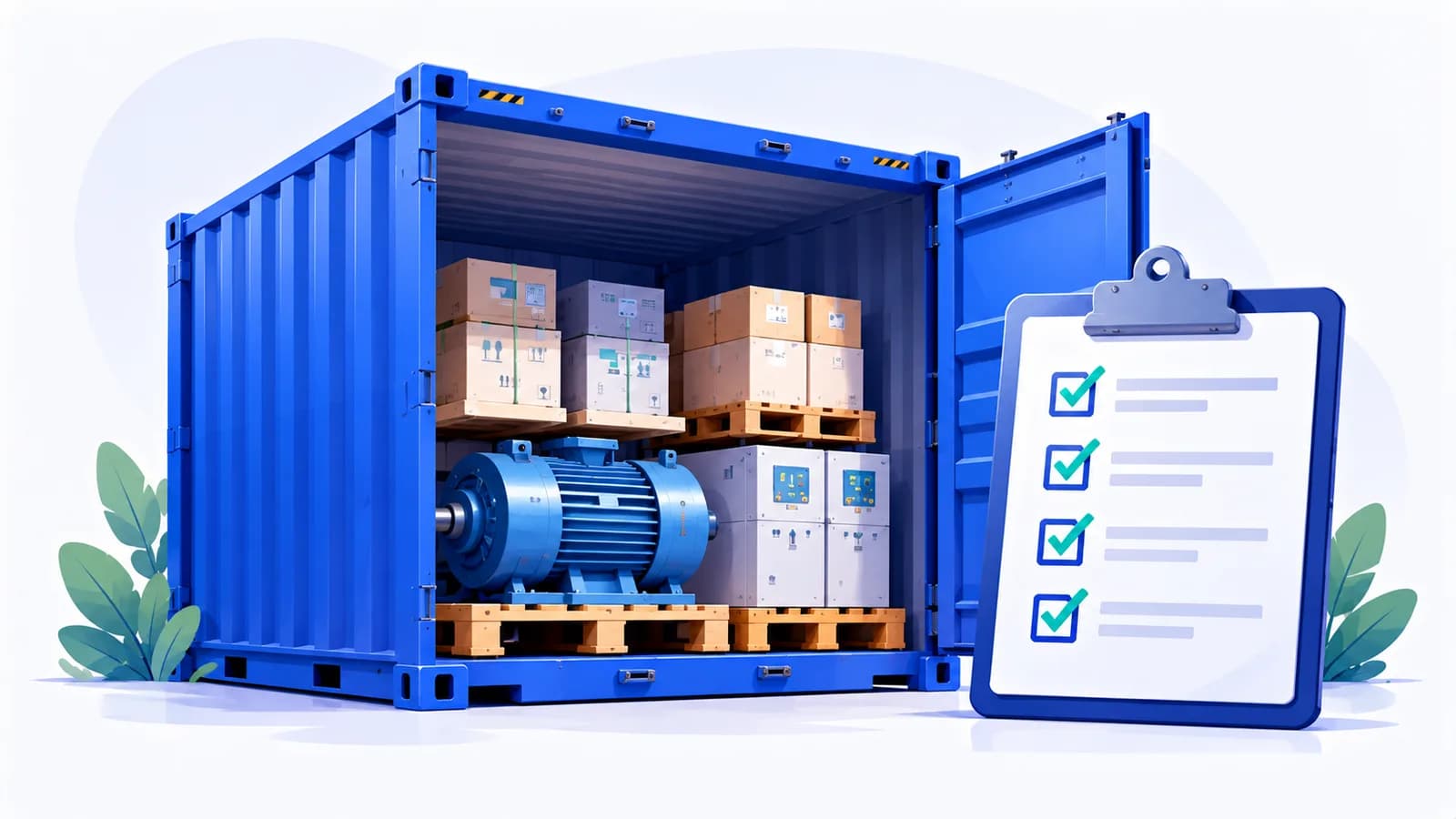
Inspect Before It Ships: The Cheapest Hour in Sourcing
Once a container leaves the port, every problem becomes expensive. An inspection at the factory is the last moment fixing it is still cheap.
Valeur X Founder
Sourcing since 2012

The pattern repeats: the samples were right, the price was good, the supplier was responsive, and the goods that arrive in Dammam are not quite what was agreed. Not counterfeit, not unusable — just different enough to cost you a customer. Almost every case of this could have been caught in an afternoon at the factory.
Inspect against a document, not an impression
An inspection is only as good as the specification it checks against. Before production starts, agree a document that states the material, dimensions, tolerances, finish, markings, packaging and what counts as a defect — and have the supplier sign it. Without that, an inspector can only report what they saw, not whether it is correct.
- An approved sample, sealed and held by both parties
- Written tolerances, so “close enough” has a number
- Packaging and labelling, including the Arabic the market requires
- Certificates needed for customs, checked before departure
- A defined sample size and accept or reject criteria
Time it while rework is still possible
The useful inspection happens when production is most of the way finished and the goods are not yet packed — late enough to be representative, early enough that the factory can still fix what is wrong. An inspection on the day of loading finds problems you can no longer do anything about.
A rejection at the factory costs a delay. The same rejection in Dammam costs the freight, the duty, the storage and the customer.
Somebody has to be there
Photographs supplied by the factory show what the factory wants you to see. Whether it is your own person, a Gulf partner with staff in China or an inspection firm, the value comes from someone independent handling the goods before they are sealed into a container.
On a full container this costs a fraction of a per cent of the order value. It is the highest-return hour in the whole sourcing process, and it is the one people skip when the shipment is already late.